
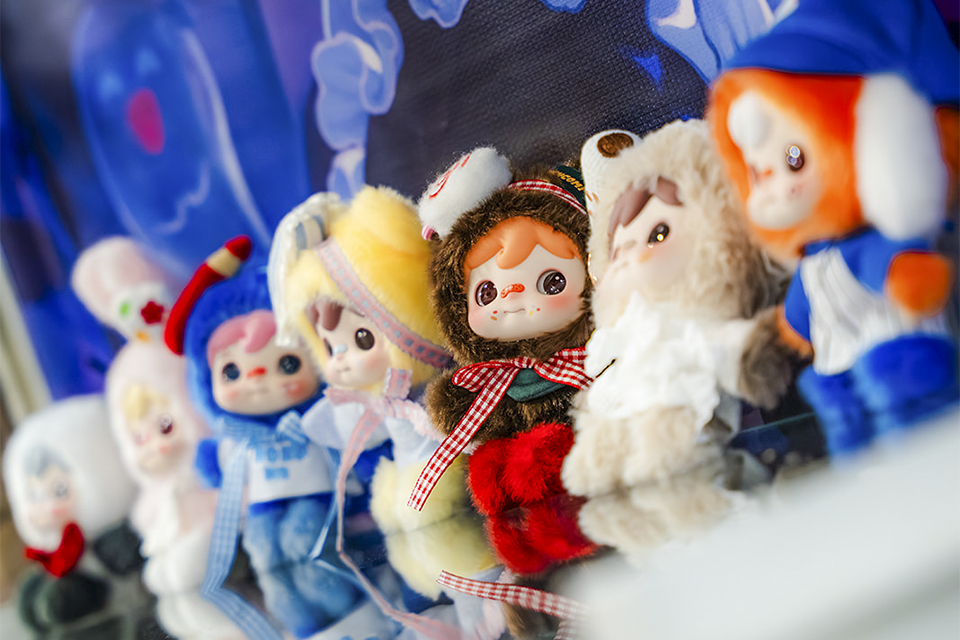
What if the toy you sell to a child is also sparking a desire to buy among those who have already grown up? An unusual trend is shaking up the global toy market. For the first time, adults in the United States bought more toys for themselves than for young children. According to a Circana survey, in the first quarter of 2024, consumers over the age of 18 spent around US$1.5 billion on toys, surpassing the amount spent on the 3-to-5 age group, historically one of the industry’s main consumer bases.
The numbers indicate that this behavior is already part of the purchasing habits of a significant share of this audience. The research shows that 43% of adults bought at least one toy for themselves in the past year. Popular items include board games, building blocks, trading cards, plush toys, action figures, and products connected to pop culture and the geek universe.
Fun, nostalgia, hobbies, and collecting help explain why these products have gained traction among consumers of different ages. Items traditionally associated with childhood are also becoming forms of entertainment, emotional connection, and personal interests, creating new ways for consumers to engage with the world of toys.
The adult toy market reinvents itself with kidults
The term “kidult” emerged to define this new relationship with toys, combining the English words “kid” and “adult.” The trend grew after the pandemic, when spending more time at home created space for hobbies, leisure activities, and old passions. Building blocks, playing cards, collecting miniatures, or following a collection became part of many people’s routines, turning these products into entertainment options that go beyond traditional play.
The result is already visible on store shelves, where LEGO, trading cards, action figures, strategy games, and products inspired by characters and franchises have found significant demand among adult consumers. The industry is also following the movement: over the past year, the global toy market grew 7%, with increased purchases by so-called kidults among the factors associated with this performance.
This shift creates new possibilities within the toy market itself. It allows retailers to diversify their product mix, explore new categories, and find different ways to present products that are already part of their portfolio.
In Brazil, adults are buying too
In Brazil, the numbers show that interest in products aimed at the kidult audience also has room to grow. According to research presented at ABRIN 2024, 76% of Brazilians between the ages of 18 and 65 identify as potential consumers in this segment, above the global average of 67%.
The figure becomes particularly relevant given the changes in the composition of Brazilian families. The number of couples with children has been declining, while the children’s market is finding new ways to capture household consumption and investment. This scenario does not mean choosing one audience over another. Children continue to drive important categories within the industry, while adults are creating new consumption opportunities within the same market.
Understanding this division can help identify opportunities that previously remained hidden behind the idea that every toy needs to have a child as its end user.
How can the kidult trend become an opportunity for your store?
This shift in consumer behavior can influence commercial strategy. The trend can shape a store’s product mix, category organization, communication, and even the way consumers discover new products. Here’s how:
1. Expand the product mix beyond childhood
The first step may lie in the product selection itself. A toy store does not have to be limited to categories traditionally associated with children.
Strategy games, puzzles, trading cards, miniatures, building blocks, action figures, and licensed products can appeal to different generations.
The idea is to create points of connection with interests that span different age groups, expanding the possibilities within the product mix while continuing to serve younger consumers. This also makes it possible to test higher-value categories and identify which products encourage repeat purchases or lead to collections.
2. Create a collecting experience
Collecting changes the way consumers relate to a product. When there is a series, a special edition, or different characters to collect, a purchase can move from being a one-time transaction to becoming an ongoing experience.
This could mean creating dedicated areas for collectibles, organizing launches, highlighting new products, or promoting initiatives that encourage consumers to discover new items.
Manufacturers and suppliers can also explore series, special editions, and complementary product lines that encourage consumers to return in search of the next piece.
3. Use nostalgia as a bridge
There is another important element in the kidult universe: many current products connect with references that were part of the childhood of today’s adults.
Characters, cartoons, movies, video games, and toys from past decades can receive new versions and find consumers willing to invest in an experience connected to their memories.
This connection can appear in themed displays, campaigns, or special initiatives. There is still plenty of room to develop products that combine familiar references with design, craftsmanship, and features created with adult consumers in mind.
4. Turn pop culture into a commercial opportunity
The geek universe also deserves attention, bringing together movies, series, animation, games, and comics that engage communities interested in following new releases and finding products related to their favorite characters and fictional worlds.
Keeping track of premieres, new games, and franchise releases can help retailers anticipate demand and organize their product mix around moments of greater interest.
The opportunity lies in understanding which intellectual properties have strong appeal among consumers and how to turn them into products with potential as collectibles, decorative items, or hobbies, going beyond traditional play.
5. Rethink the store’s communication
Finally, the way products are presented can also influence purchasing decisions. A game can be presented as an option for getting together with friends, a pastime for adults, or a strategic hobby. A miniature can be positioned as a collectible. A plush toy can tap into nostalgia and even home décor.
The same category can reach different audiences depending on how it is presented.
It is important to pay attention to the language used in displays, social media, campaigns, and product descriptions, as well as to provide materials and sales arguments that help retailers communicate this new positioning.
A market with room for multiple generations
Ultimately, the biggest opportunity lies in recognizing this shift before it becomes just another market statistic. Children continue to drive the industry, but adults are already showing that they also want a place in the conversation.
This forward-looking perspective also guides FIT Pueri Expo, bringing together retailers, manufacturers, suppliers, and industry professionals around the latest developments and opportunities in the market. The next edition is already confirmed for April 6, 7, and 8, 2027, at Distrito Anhembi in São Paulo.
Want to keep up with the trends transforming the market and discover new opportunities for your business? Learn more about how to take part in the next edition of FIT Pueri Expo and be part of the industry’s leading event.