
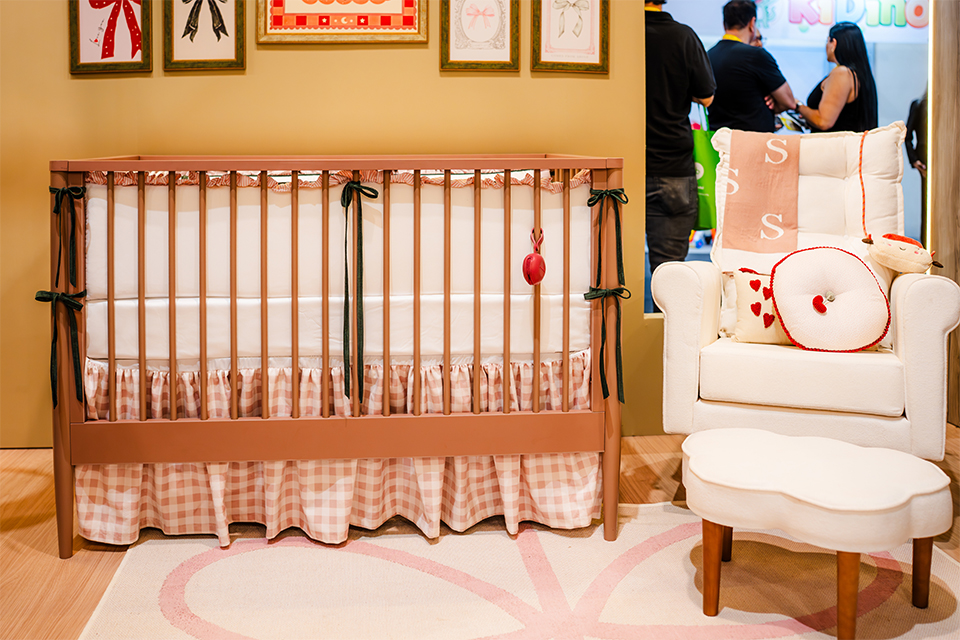
Heavy nursery products have found an important growth driver in educational institutions. Beyond families, daycare centers, preschools, nurseries and early childhood development centers have become key buyers of children’s furniture, equipment and educational toys designed for shared use.
This trend reflects the evolution of early childhood education in Brazil while creating new business opportunities across the entire supply chain. According to the 2025 School Census, Brazil is home to more than 178,800 basic education institutions, forming a broad network that requires ongoing investment in infrastructure, well-designed learning environments and products suited to every stage of early childhood.
Unlike family purchases, which typically follow the needs of a single child, educational institutions operate with long-term requirements. New classrooms, facility upgrades and the intensive daily use of equipment make furniture and accessory replacement an ongoing priority, directly influencing product development and manufacturers’ strategies.
Why educational institutions are driving the heavy nursery products market
The expansion of early childhood education helps explain why schools, daycare centers, nurseries and child development facilities have become increasingly important to the heavy nursery products market. The opening of new facilities, expansion of existing spaces and growing demand for child-friendly environments continue to boost purchases of children’s furniture, equipment and educational toys.
Infrastructure has also become an important factor in the experience schools offer families. Organized, comfortable and safe environments contribute to parents’ perception of quality and have become a competitive advantage when choosing a school. A study by ClassApp found that 52% of parents consider school infrastructure one of the most important factors when selecting an educational institution, encouraging schools to invest continuously in classroom renovations, play areas, dining facilities and spaces dedicated to early childhood education.
As a result, supplier selection goes far beyond price. Durability, safety, ease of maintenance and material quality have become essential criteria for institutions that rely on these products every day.
What schools and daycare centers look for when purchasing children’s furniture and educational toys
Choosing children’s furniture, educational toys and heavy nursery products involves much more than aesthetics. In shared environments, durability, ergonomics, safety certifications, ease of cleaning and age-appropriate design are often the deciding factors when selecting suppliers.
Products such as cribs, changing stations, high chairs, children’s tables and chairs, storage units, indoor playgrounds and educational toys must withstand frequent use without compromising children’s safety or overall experience. Likewise, easy-to-clean materials and surfaces that resist everyday wear have become priorities for managers responsible for maintaining school facilities.
These evolving needs are also encouraging manufacturers to develop solutions that combine functionality, design and performance. Space-saving furniture, modular products and equipment designed to support different stages of child development have become increasingly common in manufacturers’ portfolios. This trend was clearly reflected at FIT Pueri Expo 2026, where exhibitors showcased a wide range of children’s furniture, educational toys and equipment developed specifically for shared educational environments, highlighting the industry’s commitment to meeting the needs of this growing segment.
| Products with the Greatest Potential for Educational Institutions | |
| Cribs | Used in nurseries and rest areas to provide babies with comfort and safety during sleep periods. |
| High Chairs | Installed in cafeterias and dining areas to ensure safe, age-appropriate mealtimes. |
| Children’s Tables and Chairs | Found in classrooms, reading spaces and activity rooms, supporting a variety of educational approaches. |
| Educational Toys | Used in classrooms and play areas to encourage creativity, motor skills, social interaction and cognitive development. |
| Indoor Playgrounds | Installed in recreational areas to promote physical activity and motor development in safe, protected environments. |
| Storage Cabinets and Organizers | Help organize teaching materials, toys and everyday supplies, making school routines more efficient. |
How institutional demand is shaping the heavy nursery products industry
Play is an essential part of the learning process in educational settings. As a result, educational toys and child development products have become an integral part of classrooms and recreational spaces, giving manufacturers a clear signal to invest in solutions tailored to this market. According to the Brazilian Toy Manufacturers Association (Abrinq), the sector generated R$10.39 billion in revenue in 2025, supported by the launch of approximately 1,740 new products.
Among the fastest-growing categories were construction toys, which increased by 38%, and plush toys, which grew 24% during the same period. The strong performance of these categories reflects growing demand for products that encourage creativity, motor coordination, interaction and learning—qualities that are becoming increasingly valued in educational environments.
To keep pace with this demand, companies continue expanding their product portfolios, investing in new materials and developing dedicated product lines for educational institutions, meeting the expectations of buyers who prioritize quality, durability and practicality in everyday use.
Trends shaping the future of heavy nursery products
The evolution of educational institutions is also influencing the next phase of the industry. Multifunctional furniture, modular products, educational toys, sustainable materials and easy-to-clean equipment are among the solutions gaining greater relevance as schools seek more efficient, welcoming and adaptable learning environments.
Another noticeable trend is the growing preference for products that support flexible educational approaches. Spaces that can be easily reconfigured allow schools to accommodate different activities throughout the day while improving workflow for educators and making better use of available space.
Meeting these evolving expectations requires continuous innovation and creates new opportunities for companies capable of combining quality, safety and functionality within a single product portfolio. The ability to anticipate market expectations is becoming an increasingly important competitive advantage for manufacturers, distributors and retailers specializing in heavy nursery products.
Professionals looking to stay ahead of these developments will find FIT Pueri Expo to be a strategic platform for discovering new products, strengthening business relationships and exploring the latest innovations across light nursery products, heavy nursery products, toys, furniture and accessories.
The next edition will take place April 6–8, 2027, at Distrito Anhembi, in São Paulo, bringing together manufacturers, importers, distributors, retailers and professionals from across the children’s products industry in one comprehensive business hub. Interested in exhibiting or visiting FIT Pueri Expo? Click here to learn how to participate in the next edition.