Baby care has become increasingly relevant within purchasing, supply and business expansion strategies in children’s retail. In a market that closely follows shifts in family behavior, this category stands out for bringing together highly promising attributes for retailers and brands, including high purchase frequency, attractive average ticket value, strong innovation appeal and significant customer loyalty potential.
From daily baby care essentials to higher-value nursery investments, baby care drives multiple purchasing journeys and creates consistent opportunities for retail.
This growth also reflects important changes in consumer behavior. Parents are becoming increasingly focused on safety, functionality, practicality and product quality, raising expectations and creating new demands across the sector.
Baby care in children’s retail and the power of recurring purchases
One of the main strengths of baby care in children’s retail lies in purchase frequency, especially within the so-called lightweight baby care category.
Products such as diapers, wet wipes, baby bottles, pacifiers, hygiene products and daily care essentials are part of families’ routines and generate recurring purchases over months or even years.
This creates predictability for retailers. Products with continuous consumption patterns tend to generate weekly or monthly purchases, strengthening the relationship between consumers and retail channels.
These products also serve as an entry point to other categories. In many cases, recurring purchases related to hygiene or feeding create opportunities for complementary purchases, increasing basket value and strengthening customer loyalty.
The numbers highlight the strength of this segment. According to Euromonitor, Brazil’s baby care market grew by 45.6% over the last six years, reaching R$ 3.9 billion in 2023.
Meanwhile, the Brazil Baby Care Products Market report by IMARC Group shows that the baby care segment, including hygiene and cosmetic products, generated approximately US$ 6.5 billion in 2025.
Within this context, toys also hold a strategic position by combining recurring purchases with strong seasonal demand. Key dates such as Children’s Day, Christmas, birthdays and special product launches drive sales throughout the year and generate significant revenue peaks.
Toys also follow children’s development stages, market trends and changing interests, creating constant demand for renewal.
Heavy baby care drives higher-value purchases
While lightweight baby care delivers recurring sales, heavy baby care stands out for its higher average ticket value.
This category includes essential products for the nursery and the child’s early years, such as strollers, cribs, car seats, furniture and mobility accessories.
These are higher-value products, usually associated with more planned and careful purchasing decisions.
In this segment, safety, durability and functionality carry significant weight in the final decision. Families tend to prioritize higher investments in products that offer protection, comfort and practicality in daily life.
Beyond higher ticket values, this category also delivers greater value per sale, creating opportunities for more consultative sales strategies and personalized shopping experiences. For brands and retailers, this represents strong revenue opportunities, especially during key moments such as nursery planning and the arrival of a new baby.
A new retail panel from Circana reinforces how baby care continues to gain relevance in the Brazilian market.
| What the numbers reveal about baby care in Brazil |
| +13% per year in revenue Average annual sector growth over the last 36 months through February 2026. |
| +10% in revenue Growth recorded between November 2024 and October 2025. |
| +9% in sales volume Demand expansion with limited inflationary impact. |
| +23% in strollers One of the fastest-growing categories since 2022. |
| +13% in car seats Growth driven by safety concerns and higher-value purchases. |
Innovation keeps pace with evolving family needs
Changes in consumer behavior have accelerated the transformation of the baby care category. Today, parents are looking for products that deliver greater practicality, safety, technology and functionality in everyday life, creating room for increasingly smart and innovative solutions.
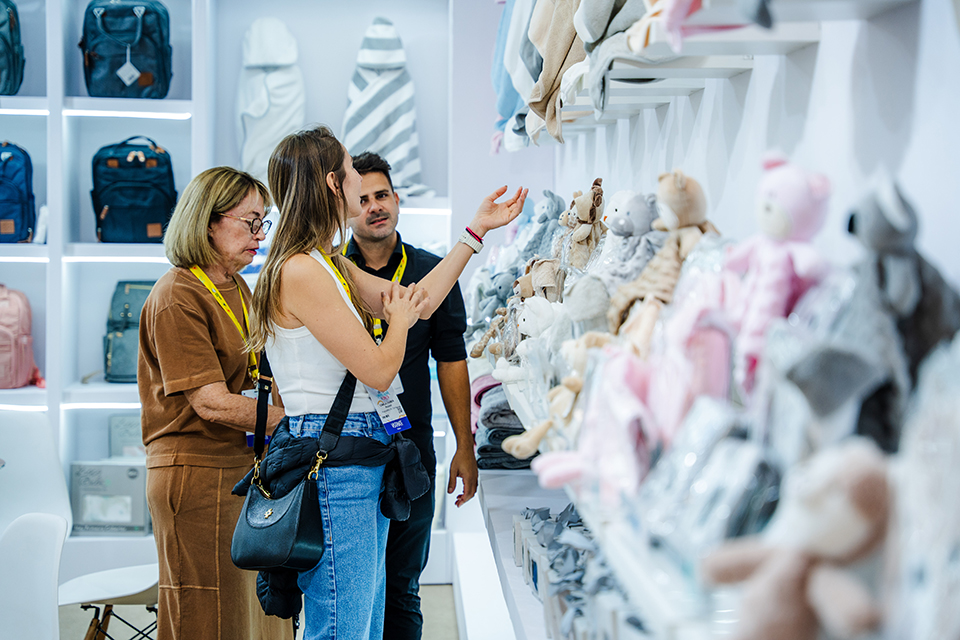
This was clearly reflected at the latest Fit Pueri Expo, which showcased launches and trends that captured the evolving needs of families and the opportunities emerging for brands and retailers.
During Innovation Awards 2026, an initiative that recognizes products and brands standing out in innovation, design, comfort, technology, safety, trends and sustainability, several launches attracted attention for clearly reflecting the evolution of the baby care category.
Highlights included car seats with advanced safety technology, rotating straw cups, sustainably designed strollers and solutions created to make everyday family routines easier, such as bottle sterilizing washers and dryers.
Innovation is also evident in everyday products such as teething toys, baby bowls, feeding accessories and care products, showing that technology and functionality are no longer limited to premium or high-ticket categories.
This evolution creates an important competitive advantage for retail. Brands that successfully combine innovation, safety and practicality tend to generate stronger perceived value, strengthen market positioning and win over increasingly demanding consumers.
Digital retail has become an ally of baby care
Digital transformation has further strengthened the relevance of baby care in children’s retail. As routines become increasingly dynamic, parents are prioritizing convenience, speed and ease when purchasing essential everyday products.
This shift has expanded the category’s presence in digital channels, particularly in recurring purchases of replenishment items such as diapers, wet wipes, hygiene products and feeding accessories.
Models such as scheduled purchases, subscriptions and automated replenishment have gained traction by offering greater convenience for families and a simpler, more efficient buying journey.
For brands and retailers, digital retail represents a highly strategic advantage. In addition to creating revenue predictability through recurring purchases, digital channels make it easier to track consumer habits, better understand customer behavior and develop more targeted retention and loyalty strategies.
Integrating physical stores, e-commerce and digital experiences improves the ability to serve different consumer profiles while creating a smoother and more connected customer journey aligned with modern family expectations.
In baby care, those who anticipate trends stay ahead
Want to stay ahead of the next baby care trends or present your next innovation to the market?
Fit Pueri Expo connects brands, buyers and industry experts in a strategic environment focused on business, networking and market insights. It is where trends gain momentum, launches gain visibility and new growth opportunities begin to take shape.
The next edition will take place from April 6 to 8 at Distrito Anhembi, in São Paulo, during one of the most important business trade show weeks in Brazil.
Click here to learn how to exhibit at the next edition of Fit Pueri Expo.